
High-performance coolants
Innovative coolants and special oils for metalworking – developed for maximum performance, optimal surface quality, and reduced tool costs.
Advantages
Industrial metalworking fluids made in Germany
Requirements in industry are constantly increasing, with greater automation and increasing performance of tools, machines and systems, as well as novel materials.
Our goal is to develop the optimum product for every application. Around the world, we have some 270 employees working towards this objective – 20% of whom work in research and development.
Our metalworking fluids are the best choice for safe and cost-efficient metalworking.
High-quality metalworking fluids and metalworking oils are a key factor in the success of any production process. They protect machinery and tools from increased wear, ensure optimum dimensional accuracy and surface quality – all with an impressively low consumption.
Choosing the correct metalworking fluid is therefore vital when it comes to ensuring trouble-free applications. We’ll be delighted to help you make the right choice to the product finder!
We work constantly to refine the range of rhenus metalworking fluids in close collaboration with universities and research institutes in order to meet the growing production requirements of a multitude of industries and applications.
Water-miscible or neat – it’s a question of the application
Our portfolio of metalworking fluids spans a wide range of products – from cost-effective all-rounders to fluids for special applications.
Water-miscible coolants
- Amine- and boric acid-free metalworking fluids
- Boric acid-free metalworking fluids based on alternative amines
- Two-component metalworking fluids
- Multifunctional products
- Magnesium machining
Neat oils
- Excellent cooling performance
- Increased cutting speed and material removal rates
- Less wear and lower maintenance costs
- High surface quality and dimensional accuracy
- Low consumption
- No risk of grinding burn
- Safety thanks to high flash points
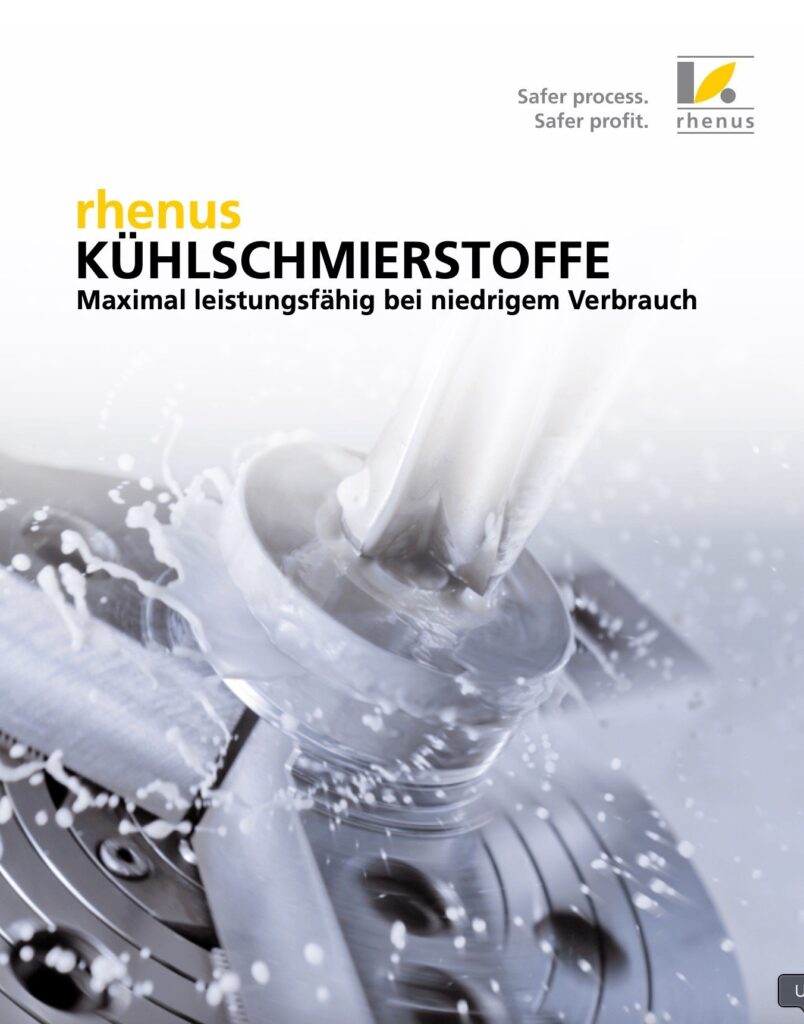
Metalworking fluid brochure
Finding the right cutting fluid: All important information about our water-miscible and non-water-miscible cutting fluids can be found in our brochure – available for free download now.
Frequently asked questions
We’re here to help! Contact us to arrange a free, personal consultation – we’re also happy to come to you.
What constituents and additives are there in metalworking fluids?
A neat oil only requires a few individual constituents because it doesn’t have to account for the presence of water – with all its influencing parameters. The essential base component is the oil (mineral oil, vegetable/synthetic esters), which is enriched with polar active ingredients and chemically active EP additives in order to improve cutting performance. Further additives (anti-fog additives or antioxidants) improve shelf life and the behaviour of the cutting oils in the machining process.
What is the role of metalworking fluids?
Metalworking fluids have two main roles: to achieve a cooling and lubricating effect and to remove chips and other waste products. The fluids are used in a wide range of machining processes, including turning, drilling, milling, broaching, grinding, honing and lapping.
In water-miscible metalworking fluids, the cooling effect depends almost exclusively on the water, whereas in neat oils it depends on the viscosity. The lubricant effect, on the other hand, is strongly influenced by the type and structure of the metalworking fluid. Lubricant (polar) and chemically active (EP = extreme pressure) additives are used to adapt the lubricating effect and pressure absorption capacity to the machining process.
How do I find the right metalworking fluid for my area of application?
The choice of the right metalworking fluid depends on numerous complex factors relating to the area of application. We’ll be delighted to help you reach a decision as part of an on-site visit.
Particularly relevant factors in choosing a metalworking fluid include:
- type of machine tool
- material to be machined
- type of tools
- cutting speed, feed rate
- dimensional accuracy, surface quality
- metalworking fluid pressure and quantity
- type of filtration
- temperature of metalworking fluid
Signs of a well-adapted metalworking fluid
- Reliable corrosion protection for machine and workpiece
- No discolouration of the machined materials
- Good residue behaviour, especially in the splash zone
- Good washability of the MWF film that inevitably remains
- Good rinsing and wetting properties
- Impeccable filtration properties
- Dirt removal capability in machines with filter
- Dirt settling properties in machines without filter
- Rapid air separation and foam degradation
- Ability to withstand thermal loads
- Easy separation of tramp oils
- Relative insensitivity to different water qualities
- Ageing resistance and stability
What do I need to bear in mind when using metalworking fluids?
With adequate care and sensible handling, the safe use of metalworking fluids is no problem. Key factors include:
- Safe storage and labelling
- Creation of a chemical inventory and hazardous substance register
- Easy-to-understand operating instructions
- Plans for cleaning, preservation and maintenance
- Avoid skin contact
- Water-repellent workwear
- Immediate changing of soaked clothing
- Regular hand washing with subsequent skin care
- No further use of cloths contaminated with MWF constituents
- Avoidance of aerosols and vapours
- Enclosed mechanical engineering
- Splash guards
- Prevention of foreign substances in the coolant circulation system
- Protection against mechanical parts, foreign oils, waste, cleaning agents, dust
Devote your full attention to your production process while our rhenus lubrineering specialists take care of the rest.
What problems can arise during the use of metalworking fluids?
Problems are most likely to arise with metalworking fluids if the wrong product was chosen or maintenance was not carried out correctly.
The following factors, for example, can detract from the performance of a metalworking fluid:
- quality of the mixing water
- type of materials
- construction and maintenance devices of the machine tool
- negligence by machine operators
The most common problems with metalworking fluids are:
- unwanted foaming
- unpleasant odour
- germ formation and fungus infestation
- rust appears on the workpiece or machine
- paint flakes off or seals swell
- reduced lubricating effect
- changes in demulsifying behaviour
- reduced surface quality
- higher tool wear
- discolouration of the workpiece
- staff complain of skin irritation
- deposits and tramp oil in the MWF
- unpleasant fumes irritate the respiratory tract
Troubleshooting often requires only a small change to the machine, the process or the habits of the machine operators – and the metalworking fluid works perfectly again. If problems persist, a laboratory analysis of the MWF provides valuable insights.
How often do metalworking fluids need to be checked?
Regular inspection of metalworking fluids is essential in order to preserve the performance of your MWF in the long term.
The appearance and odour of the MWF must be checked on a daily basis. According to TSRG 611, the concentration, pH value, nitrite and bacteria count must also be checked at least once a week. Depending on the constituents of the MWF, further tests are needed at varying intervals.
Routine on-site checks are accompanied by laboratory analyses in order to further monitor the emulsion. The respective scope of analysis and the analysis intervals vary, depending on the metalworking fluid, the system and the procedure.
How often do metalworking fluids need to be changed?
There are no standardised intervals for changing metalworking fluids, as the service life of an MWF depends to a large extent on close monitoring and regular maintenance by the user.
MWF change intervals range from a few weeks to several years.
What health aspects must be taken into account in the handling of metalworking fluids?
Metalworking fluids from Rhenus Lub are particularly outstanding in this respect. Many of our products are free of amines, boric acid and formaldehyde and have low pH values.
In other MWFs, we reduce the quantity of potentially harmful constituents and additives to the bare minimum. The raw materials used are subject to careful monitoring. Accordingly, our products are among the most skin-friendly metalworking fluids in the industry.
The main area of use for MWFs is the metalworking industry. Although exposure is already reduced considerably by a high degree of automation in conjunction with appropriate protective measures, users should nevertheless avoid long-term and intensive skin contact with metalworking fluids. It is also important to ensure reliable protection against contamination of the MWF by foreign matter, for example.
The careful handling of working substances and rigorous care of both substances and skin after work is complete are important in order to ensure that staff enjoy optimum protection even where there is regular contact with metalworking fluids.
Are there any environmentally friendly metalworking fluids?
Rhenus Lub offers a whole series of environmentally friendly metalworking fluids. Around 85% of our MWFs are classified in the lowest water hazard class (WGK 1).
Users benefit from significantly lower restraints on transport, storage and handling, as there is less risk of environmental and groundwater contamination. Find out more about the innovative products from Rhenus Lub.
Impuls News
Here you’ll find information on current topics relating to the industry and lubricants. Go to news page

Cutting fluids in industry: a guide to reducing total cost of ownership (TCO)
Metalworking Fluids in Industry: A Guide to Lowering Total Cost of Ownership (TCO)

Rhenus Lub continues to reforest – 1,000 new trees for Hardter Wald
Sustainability in the Mönchengladbach region: Responsibility for generations. We are consistently continuing our regional commitment.
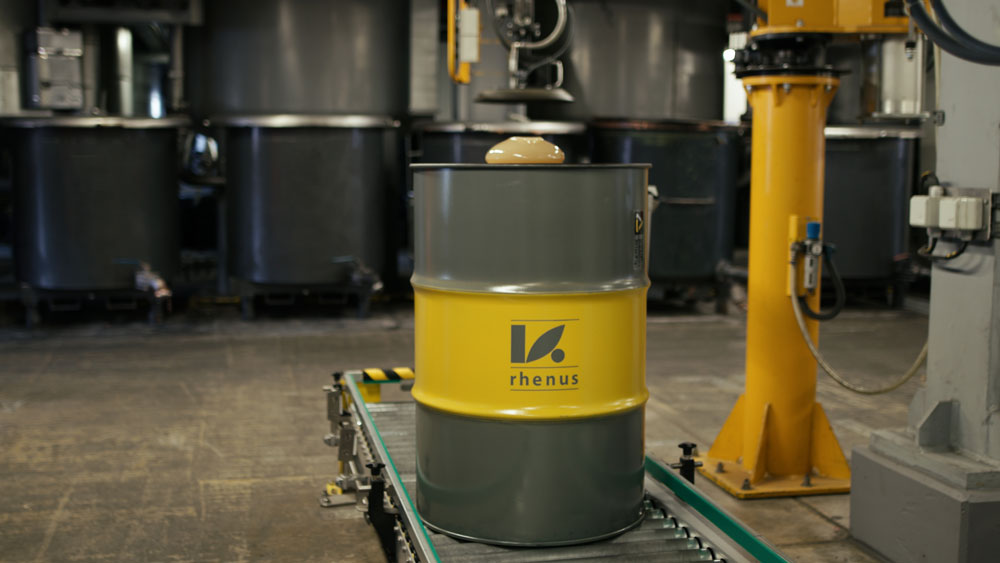
Specialized Greases for Industry
Three Fats – Three Industries: Why Lubricating Grease Isn't Always the Same In Industrial Production
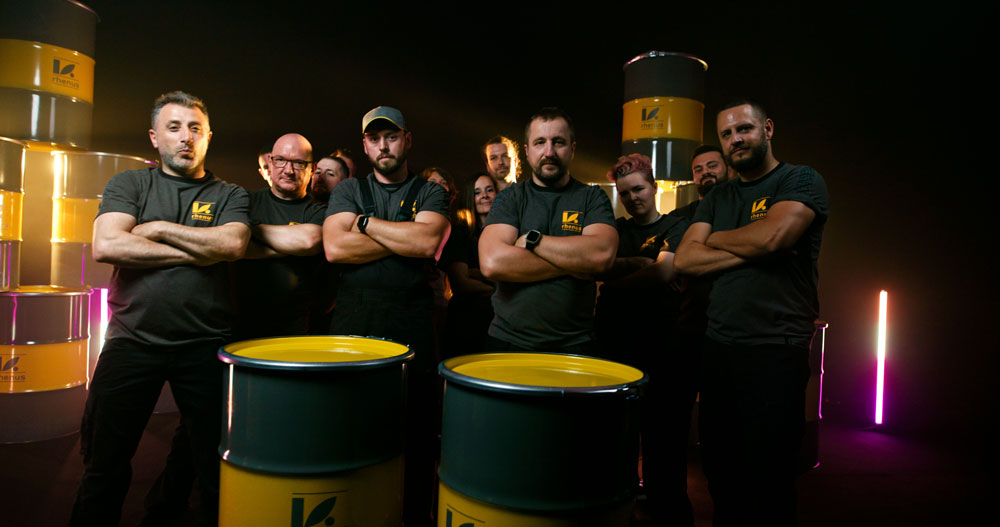
Rap meets Lubricant – that's never happened before!
The lubricants industry is changing – and we are actively shaping it. As a modern manufacturer
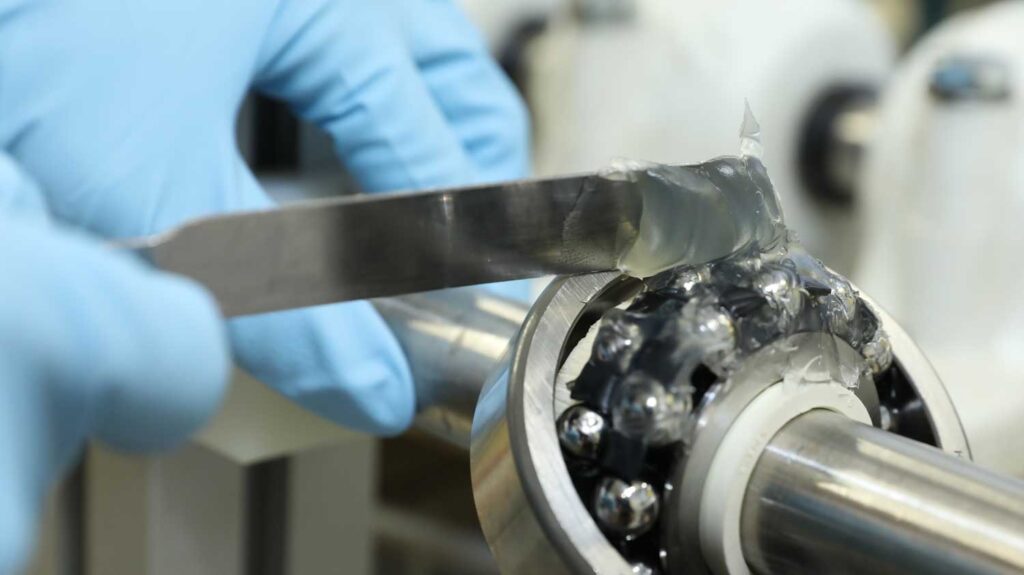
Lubricating greases: the silent heroes for maximum machine lifespan
In industrial production, it's often the small things that make the difference. High-performance lubricating greases
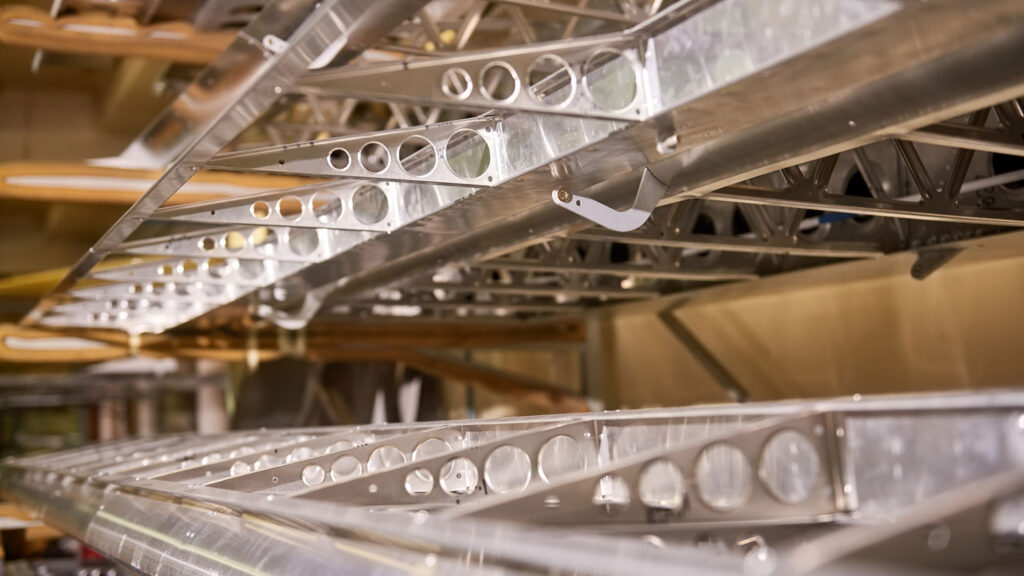
Mastering Aluminium Machining: Process-Reliable and Efficient with the Right Cutting Fluid
Aluminium, as a lightweight, robust, and easily workable material, is shaping key industries from aerospace to
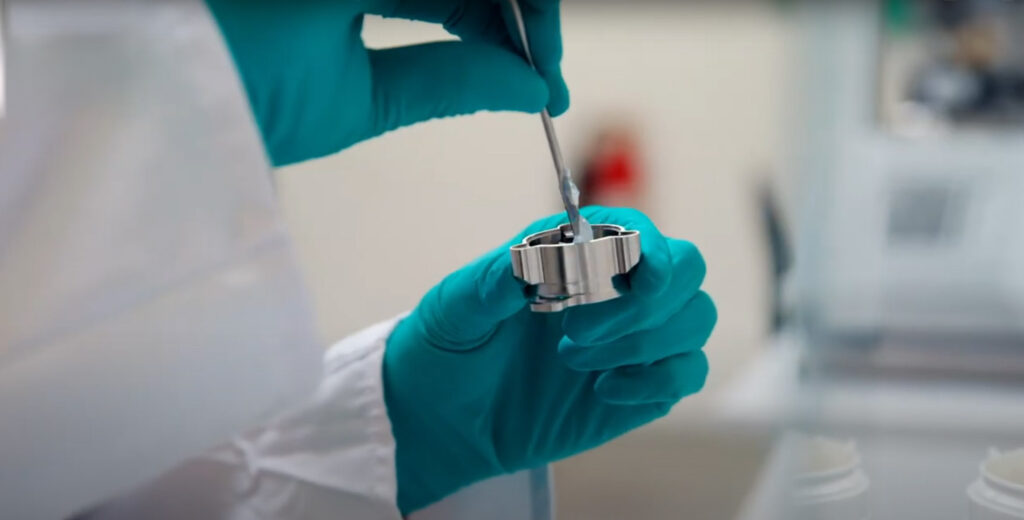
This is how our high-performance greases are made
This is how our high-performance greases for extreme requirements are created. Industrial plants, machinery and vehicles have to perform more today.

Torsten Knippertz at Rhenus Lub in Mönchengladbach
Torsten Knippertz presents Rhenus Lub as an employer in the Mönchengladbach region. Torsten Knippertz, also