
Formaldehyde and formaldehyde releasers in metalworking fluids
What you need to know about formaldehyde in rhenus cooling lubricants
Cooling lubricants in use must be stable against bacteria in order to achieve a long service life. So-called formaldehyde depot substances (FAD) are used for this purpose. The biocidal active ingredient is present in a chemically bound form and is initially only present in very small quantities in the concentrate and the ready-to-use emulsion or solution.
The Risk Assessment Committee (RAC) has classified formaldehyde 1) as a Class 1B carcinogen and Category 2 mutagen. Rhenus Lub does not use pure formaldehyde in its cooling lubricants. However, some Rhenus cooling lubricants contain the above-mentioned formaldehyde depots 2).
1) Formaldehyde = proportions in free form
2) Formaldehyde deposits = proportions in bound form
Rhenus Lub’s cooling lubricants do not and will not reach the limit value of 0.1%. Therefore, rhenus products containing formaldehyde deposits can be used without hesitation.
At present, the following therefore applies:
- rhenus metalworking fluids are not labelled with information regarding formaldehyde and formaldehyde releasers.
- Handling by users remains the same.
- There are no changes to labelling.
Harmlessly below the limit
rhenus cooling lubricants remain consistently below the limit value of 0.1 %. Please contact us for advice on your specific product and application.

Measurement and
Labelling
In the Rhenus Lub laboratory, formaldehyde concentration has been a standard test parameter for many years. The amount of formaldehyde released is determined using an automated laboratory analysis system.
This procedure therefore determines the maximum possible releasable amount from the formaldehyde depot.
Since only a small fraction of this quantity is actually split off in practical application, this measurement method offers the highest safety for the user.
In the measurements of correctly used rhenus coolants, values below the limits have always been found.
Air limit values and inhalation of formaldehyde
The previous MAK value (maximum workplace concentration) as a workplace limit value of 0.62 mg/m³ is no longer valid. Instead, the legally binding long-term value of 0.37 mg/m³ and the short-term value of 0.74 mg/m³ of TRGS 900 now apply.
This means that, based on current knowledge, the use of Rhenus Lub cooling lubricants containing FAD is safe and permissible under normal working conditions. Furthermore, there is no obligation to measure formaldehyde in indoor air. An evaluation of formaldehyde measurements in the air in mechanical production work areas for the period from 1999 to 2009 showed that 95% of all measurements were well below the recommended limit value of the MAK Commission (0.37 mg/m³). In addition, compliance with the SCOEL (Scientific Committee for Occupational Exposure Limits) limit value of 0.2 ppm = 0.25 mg/m³ discussed at the time was also ensured in over 95% of all measurements carried out. This information takes into account the current legal guidelines (as of October 2025). Should any further changes occur, Rhenus Lub customers will be automatically informed.
For users and manufacturers of coolants, despite new guidelines on the classification of formaldehyde
As a customer of Rhenus Lub, you have the same two possibilities as have previously been available: metalworking fluids with or without formaldehyde releasers.
- No change in labelling
- No obligation to measure
- It’s up to you!
Impuls News
Here you’ll find information on current topics relating to the industry and lubricants. Go to news page

Cutting fluids in industry: a guide to reducing total cost of ownership (TCO)
Metalworking Fluids in Industry: A Guide to Lowering Total Cost of Ownership (TCO)

Rhenus Lub continues to reforest – 1,000 new trees for Hardter Wald
Sustainability in the Mönchengladbach region: Responsibility for generations. We are consistently continuing our regional commitment.
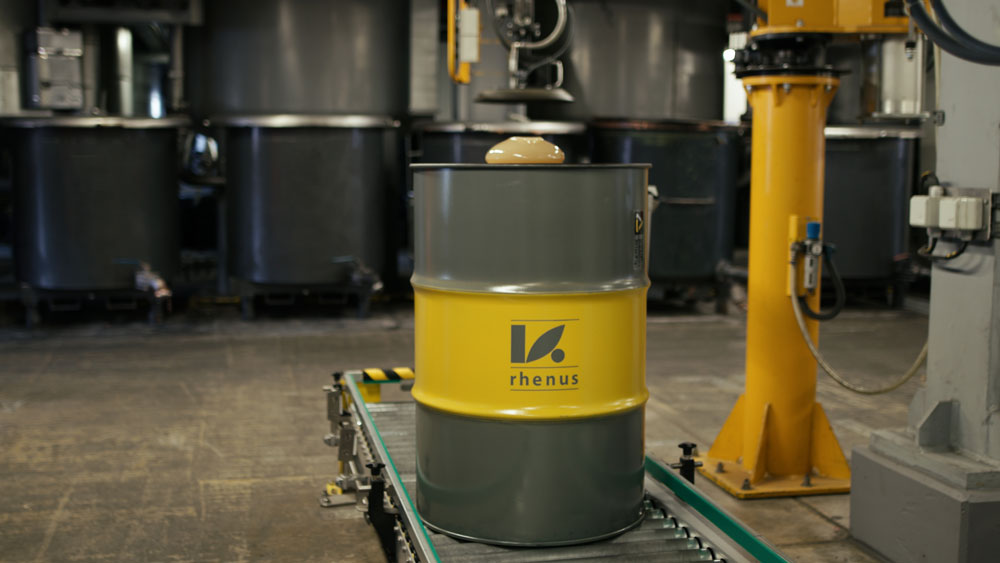
Specialized Greases for Industry
Three Fats – Three Industries: Why Lubricating Grease Isn't Always the Same In Industrial Production

Rap meets Lubricant – that's never happened before!
The lubricants industry is changing – and we are actively shaping it. As a modern manufacturer
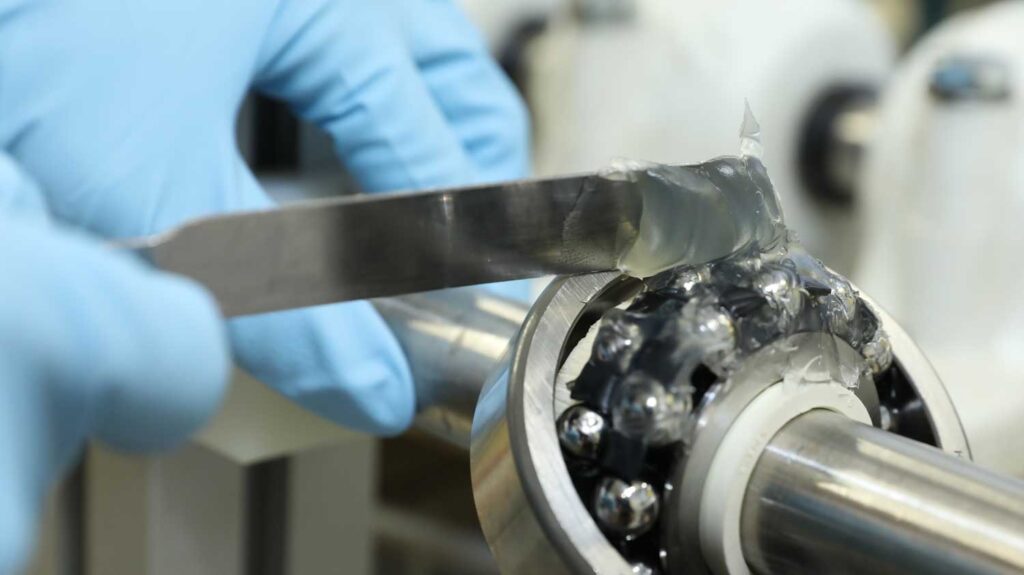
Lubricating greases: the silent heroes for maximum machine lifespan
In industrial production, it's often the small things that make the difference. High-performance lubricating greases
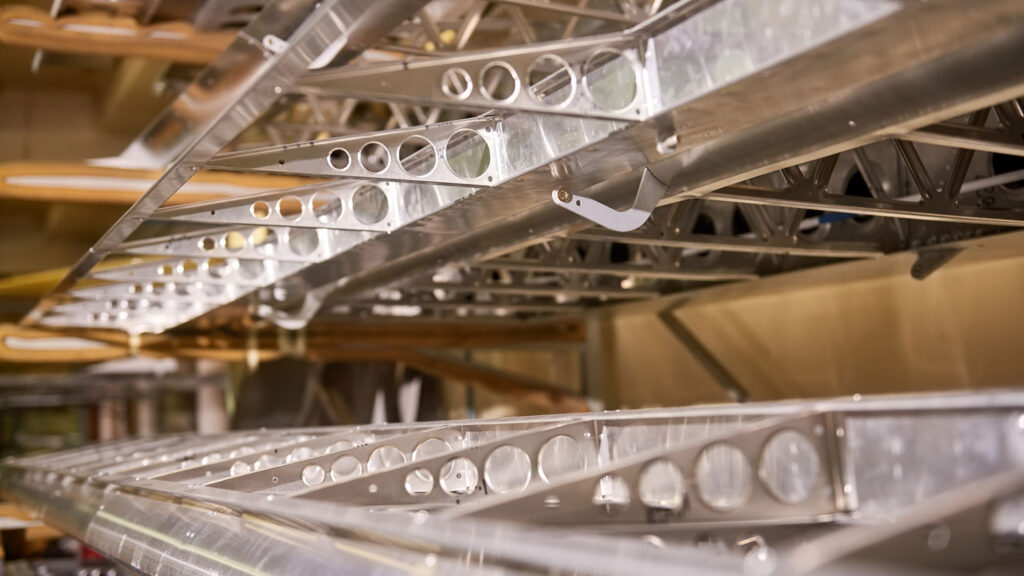
Mastering Aluminium Machining: Process-Reliable and Efficient with the Right Cutting Fluid
Aluminium, as a lightweight, robust, and easily workable material, is shaping key industries from aerospace to
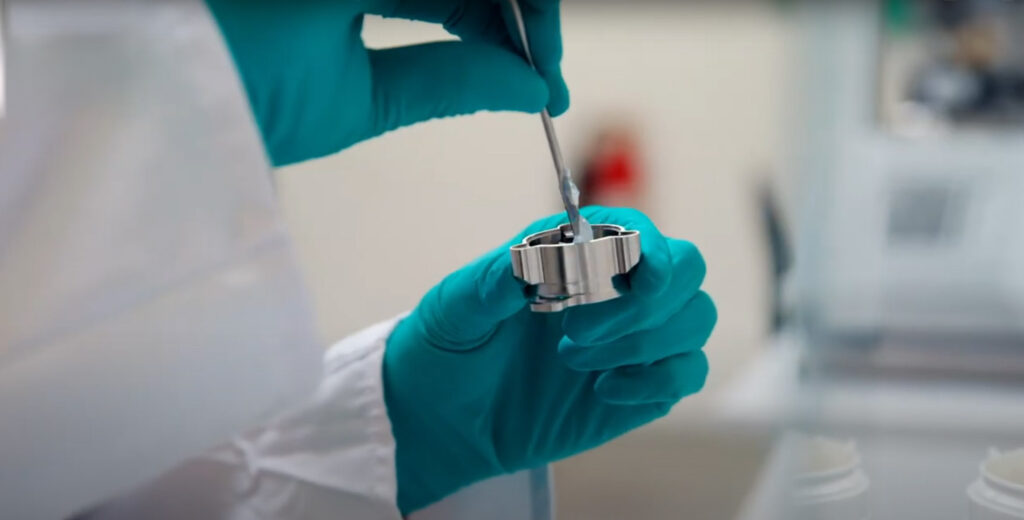
This is how our high-performance greases are made
This is how our high-performance greases for extreme requirements are created. Industrial plants, machinery and vehicles have to perform more today.

Torsten Knippertz at Rhenus Lub in Mönchengladbach
Torsten Knippertz presents Rhenus Lub as an employer in the Mönchengladbach region. Torsten Knippertz, also