Water quality can have a profound influence on the functionality of coolants in the application state. After all, in emulsions the water content is as high as 90%, while in solutions, the water content is 95%. For this reason, certain minimum requirements with respect to tap water must be met.
Minimum requirements for tap water

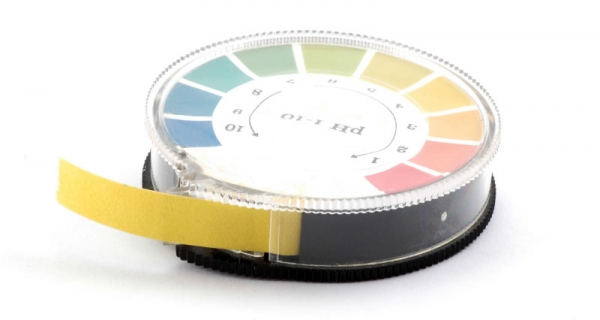
Particularly important are pH value and overall hardness. A pH value of 7 is optimal, at which point the preparation water is neutral. pH values up to 9 are still acceptable, as long as there are no other reasons against using this mixing water. Preparation water with pH values < 6 is unacceptable. These can lower the pH value of the KSS emulsion during fresh preparation. A reduced corrosion protection is the consequence.
Not only pH is an important factor for optimal mixing water. Total hardness also has a high priority. It is one of the most important application-related parameters.
If the water is too hard, this may cause the hardness components it contains to react with anionic emulsifiers to form poorly soluble compounds — known as lime soaps. This can result in clogged filters and deposits on workpieces and tools.
Tap water that is too weak also has adverse consequences for emulsions, as it promotes the formation of foam.
If your mixing water is very soft, we can provide you with special products. In cases of extremely low water hardness of < 5° d, adding harder tap water – if available – can help. It is possible to change the alkaline earth content of the setting water by adding a Ca2+-containing hardener.
This type of manipulation is only required with fresh applications, as the total hardness of emulsions increases during use. Conversely, we recommend replenishing the volume losses with deionised water when using tap waters with a relatively high total hardness.